
"gold-plated filter"
30 article(s) found

How to calculate the gouache ratio of hand-made coffee?
Following caf é comments (Wechat official account vdailycom) found that Fairview Cafe opened a small shop of its own, practical parameters of gouache ratio of hand-brewed coffee [heavy taste] 1: 10 grams of coffee: 1 milliliters of black coffee), that is, 112.5 grams of coffee 113.5 (milliliters of bean weight than unboiled water) [moderate taste] 1: 12 drinks 1 of the criteria of gold cup 14.5% 1) 15.5)

How to make a good cup of hand-made coffee at home?
Professional barista communication Please pay attention to the coffee workshop (Wechat official account cafe_style) We often see this on many coffee packages: nutrition composition table in every 100g coffee beans, photo source: Baidu encyclopedia this is the substance in coffee, different roasting degrees vary according to different varieties. The substance in the table is finally boiled into what we can drink.

Cleaning of swissgold Swiss gold KF-300 drop coffee filter
After using it for a period of time, users of the swissgold Swiss gold KF-300 drop filter will find that their beloved gold filter is no longer as bright as it was when it was first opened. Swiss gold swissgold kf-300 can be restored as before, otherwise, it cannot be called gold-plated coffee filter and cannot reflect the metal stability of gold. Switzerland

Cleaning of swissgold Swiss gold KF-300 drop coffee filter
Swiss gold swissgold kf-300 can be restored as before, otherwise, it cannot be called gold-plated coffee filter and cannot reflect the metal stability of gold.
The interior of roasted coffee beans is "honeycomb structure".
Coffee enthusiast, Professor Yukio Hiroase of Kanazawa University in Japan, has a PhD in engineering and specializes in computational mechanics. the boss has studied coffee beans with a hundred and twenty thousand scientific spirit and achieved the following results:
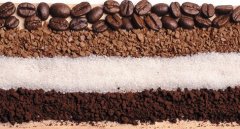
Honeycomb structure of roasted coffee beans
Coffee enthusiast, Professor Yukio Hiroase of Kanazawa University in Japan, has a doctorate in engineering and specializes in computational mechanics. the boss has studied coffee beans with a hundred and twenty thousand scientific spirit and achieved the following results: 1 the interior of roasted coffee beans is honeycomb structure. different roasting methods form different honeycomb structures. (2) the diameter of honeycomb cavity is basically 0.01mm, that is, about 10 microns. three
Honeycomb structure of coffee beans
I read a coffee magazine and one of the interviews was very interesting. Coffee enthusiast, Professor Yukio Hiroase of Kanazawa University in Japan, has a doctorate in engineering and specializes in computational mechanics. the boss has studied coffee beans with a hundred and twenty thousand scientific spirit and achieved the following results: 1 the interior of roasted coffee beans is honeycomb structure. different roasting methods form different honeycomb structures. 2 Honeycomb cavity
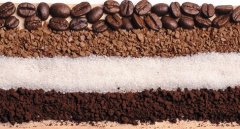
Honeycomb structure of roasted coffee beans
Coffee lovers, Professor Hirose Yukio of Kanazawa University in Japan is a doctor of engineering, specializing in computational mechanics. The boss has conducted research on coffee beans with 120,000 scientific spirit and achieved the following results: 1. The interior of roasted coffee beans is honeycomb structure, and different roasting methods form different honeycomb structures. 2 The diameter of honeycomb cavity is basically 0.01mm, that is, about 10 microns. 3

The interior of roasted coffee beans is "honeycomb structure".
Coffee enthusiast, Professor Yukio Hiroase of Kanazawa University in Japan, has a doctorate in engineering and specializes in computational mechanics. the boss has studied coffee beans with a hundred and twenty thousand scientific spirit and achieved the following results: 1 the interior of roasted coffee beans is honeycomb structure. different roasting methods form different honeycomb structures. (2) the diameter of honeycomb cavity is basically 0.01mm, that is, about 10 microns. three
Roasting of boutique coffee honeycomb structure of roasted coffee beans
Coffee enthusiast, Professor Yukio Hiroase of Kanazawa University in Japan, has a doctorate in engineering and specializes in computational mechanics. the boss has studied coffee beans with a hundred and twenty thousand scientific spirit and achieved the following results: 1 the interior of roasted coffee beans is honeycomb structure. different roasting methods form different honeycomb structures. (2) the diameter of honeycomb cavity is basically 0.01mm, that is, about 10 microns. three

Coffee roasting technology the honeycomb structure of roasted coffee beans
Coffee enthusiast, Professor Yukio Hiroase of Kanazawa University in Japan, has a doctorate in engineering and specializes in computational mechanics. the boss has studied coffee beans with a hundred and twenty thousand scientific spirit and achieved the following results: 1 the interior of roasted coffee beans is honeycomb structure. different roasting methods form different honeycomb structures. (2) the diameter of honeycomb cavity is basically 0.01mm, that is, about 10 microns. three
Fine coffee study the honeycomb structure of roasted coffee beans
Coffee enthusiast, Professor Yukio Hiroase of Kanazawa University in Japan, has a doctorate in engineering and specializes in computational mechanics. the boss has studied coffee beans with a hundred and twenty thousand scientific spirit and achieved the following results: 1 the interior of roasted coffee beans is honeycomb structure. different roasting methods form different honeycomb structures. (2) the diameter of honeycomb cavity is basically 0.01mm, that is, about 10 microns. three

Is there a "honeycomb structure" inside the roasted coffee beans?
Coffee enthusiast, Professor Yukio Hiroase of Kanazawa University in Japan, has a doctorate in engineering and specializes in computational mechanics. the boss has studied coffee beans with a hundred and twenty thousand scientific spirit and achieved the following results: 1 the interior of roasted coffee beans is honeycomb structure. different roasting methods form different honeycomb structures. (2) the diameter of honeycomb cavity is basically 0.01mm, that is, about 10 microns.
Knowledge of coffee roasting honeycomb structure of roasted coffee beans
Coffee enthusiast, Professor Yukio Hiroase of Kanazawa University in Japan, has a doctorate in engineering and specializes in computational mechanics. the boss has studied coffee beans with a hundred and twenty thousand scientific spirit and achieved the following results: 1 the interior of roasted coffee beans is honeycomb structure. different roasting methods form different honeycomb structures. (2) the diameter of honeycomb cavity is basically 0.01mm, that is, about 10 microns. three
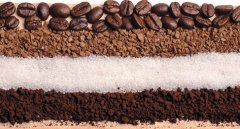
Basic knowledge of coffee honeycomb structure of roasted coffee beans
Coffee enthusiast, Professor Yukio Hiroase of Kanazawa University in Japan, has a doctorate in engineering and specializes in computational mechanics. the boss has studied coffee beans with a hundred and twenty thousand scientific spirit and achieved the following results: 1 the interior of roasted coffee beans is honeycomb structure. different roasting methods form different honeycomb structures. (2) the diameter of honeycomb cavity is basically 0.01mm, that is, about 10 microns. three

Basic knowledge of coffee honeycomb structure of roasted coffee beans
Coffee enthusiast, Professor Yukio Hiroase of Kanazawa University in Japan, has a doctorate in engineering and specializes in computational mechanics. the boss has studied coffee beans with a hundred and twenty thousand scientific spirit and achieved the following results: 1 the interior of roasted coffee beans is honeycomb structure. different roasting methods form different honeycomb structures. (2) the diameter of honeycomb cavity is basically 0.01mm, that is, about 10 microns. three
Coffee common sense the inside of roasted coffee beans is "honeycomb structure"
Coffee enthusiast, Professor Yukio Hiroase of Kanazawa University in Japan, has a doctorate in engineering and specializes in computational mechanics. the boss has studied coffee beans with a hundred and twenty thousand scientific spirit and achieved the following results: 1 the interior of roasted coffee beans is honeycomb structure. different roasting methods form different honeycomb structures. (2) the diameter of honeycomb cavity is basically 0.01mm, that is, about 10 microns. three
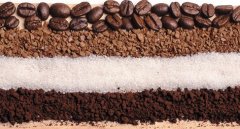
Honeycomb structure of coffee beans Common sense of roasting coffee beans
Coffee enthusiast, Professor Yukio Hiroase of Kanazawa University in Japan, has a doctorate in engineering and specializes in computational mechanics. the boss has studied coffee beans with a hundred and twenty thousand scientific spirit and achieved the following results: 1 the interior of roasted coffee beans is honeycomb structure. different roasting methods form different honeycomb structures. (2) the diameter of honeycomb cavity is basically 0.01mm, that is, about 10 microns. three
Coffee roasting knowledge the interior of roasted coffee beans is "honeycomb structure"
Coffee enthusiast, Professor Yukio Hiroase of Kanazawa University in Japan, has a doctorate in engineering and specializes in computational mechanics. the boss has studied coffee beans with a hundred and twenty thousand scientific spirit and achieved the following results: 1 the interior of roasted coffee beans is honeycomb structure. different roasting methods form different honeycomb structures. (2) the diameter of honeycomb cavity is basically 0.01mm, that is, about 10 microns. three
General knowledge of Baking of Fine Coffee Honeycomb structure of roasted coffee beans
Coffee enthusiast, Professor Yukio Hiroase of Kanazawa University in Japan, has a doctorate in engineering and specializes in computational mechanics. the boss has studied coffee beans with a hundred and twenty thousand scientific spirit and achieved the following results: 1 the interior of roasted coffee beans is honeycomb structure. different roasting methods form different honeycomb structures. (2) the diameter of honeycomb cavity is basically 0.01mm, that is, about 10 microns. three